Basement Waterproofing in Richmond Hill
Professional waterproofing, foundation & drainage solutions for Richmond Hill homes
Interior and exterior waterproofing, foundation and crack repair, sump pumps, weeping tile and basement flood prevention for Richmond Hill homeowners. Fast response, clear recommendations, dry basements.
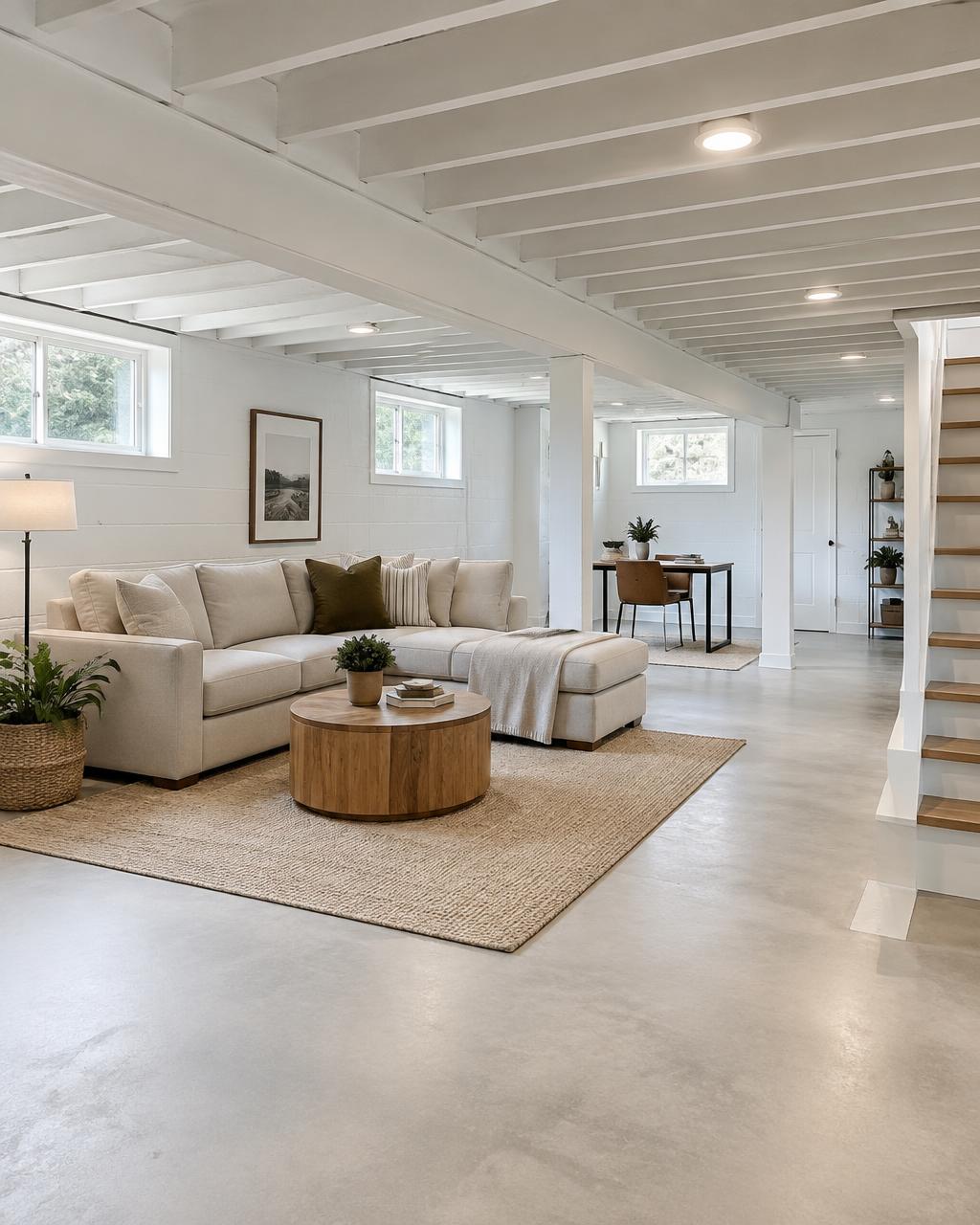
Why Richmond Hill homeowners call Basement Waterproofing Richmond Hill first.
Comprehensive solutions
Waterproofing, drainage, foundation and flood protection handled in one call.
Interior & exterior
Both approaches, so the fix is matched to where your water is coming from.
Crack & leak repair
We trace moisture to its entry point and address the source, not the stain.
Extended hours
Available 7:00 AM – 11:00 PM across Richmond Hill and nearby communities.
Waterproofing, foundation & drainage
Basement Waterproofing
Full protection from moisture, leaks and water intrusion — interior or exterior, matched to your foundation.
ExploreSump Pump Installation
Sump systems that remove accumulated groundwater before it becomes a problem.
Foundation Crack Repair
Repair cracks that allow moisture and water through foundation walls.
Interior Waterproofing
Interior drainage systems that collect water below the slab and move it out.
Exterior Waterproofing
Excavation, membrane and drainage board that stop water before it reaches the wall.
Wet Basement Repair
Assessment and repair for damp, humid or actively leaking basements.
Basement Leak Repair
Locate the actual entry point and repair it, rather than patching the stain.
Basement Crack Repair
Injection and sealing for cracks in basement walls and floors.
Foundation Waterproofing
Protect foundation walls from groundwater, moisture and hydrostatic pressure.
Backwater Valve Installation
Valves that help protect a property from municipal sewer backup.
French Drain Installation
Gravel-bedded drainage that redirects excess water away from vulnerable areas.
Weeping Tile Installation
Foundation drainage that manages groundwater around the property.
Window Well Installation
Window wells and drainage that stop water pooling at basement windows.
Egress Window Installation
Enlarged basement window openings with proper wells and drainage.
Sewer & Drain Cleaning
Snaking and clearing for slow, blocked or repeatedly backing-up drains.
Drain Repair
Repair and replacement for damaged, root-infiltrated or collapsed drain lines.
Basement Flood Prevention
Preventative drainage and protection measures that reduce basement flood risk.
Basement Lowering / Underpinning
Increase basement height with sequenced underpinning, new drainage and waterproofing.
What Richmond Hill homeowners tend to notice first
Water through foundation cracks
Saturated soil pushes water through vertical and diagonal cracks, often appearing as a streak down the wall.
Damp basement walls
Moisture migrating through porous concrete or block, leaving cool, darkened walls and mineral staining.
Water around the basement floor
Seepage at the wall–floor joint, usually pointing to failed perimeter drainage or pressure below the slab.
Leaking window wells
A well without a working drain becomes a basin, and water rises above the window frame.
Foundation wall cracks
Shrinkage, settlement and soil pressure each produce different crack patterns — and different repairs.
Groundwater pressure
A high water table loads the foundation and can push water up through the floor slab itself.
Poor exterior drainage
Negative grading, downspouts at the wall and hardscaping that traps water beside the foundation.
Clogged or damaged weeping tile
Silt, roots and crushed sections stop perimeter drainage from doing its job, quietly and gradually.
Sump pump issues
Aging pumps, stuck floats, missing check valves and discharge lines that return water to the wall.
Sewer backups
Municipal surcharge during heavy rain, which waterproofing does not address — a backwater valve does.
Musty basement conditions
Persistent odour and high humidity, sometimes a leak and sometimes condensation on cool surfaces.
Water after heavy rainfall
Water that appears only during storms usually points to surface water and roof drainage first.
Drainage problems around foundations
Low areas, blocked yard drains and water routed toward the house instead of away from it.
A clear, five-step path to a dry basement
- 1
Initial assessment
We review the symptoms and inspect the affected area.
- 2
Find the source
Determine how and where moisture is entering.
- 3
Recommend a fix
The right waterproofing, drainage or crack repair option.
- 4
Complete the work
Careful, tidy installation of the chosen system.
- 5
Final review
We walk through the work and maintenance recommendations.
Two approaches, one goal
Neither method is always better. The right choice depends on your foundation's condition, site access and where the water is coming from.
Interior Waterproofing
Manages water that has already reached the foundation, collecting it below the slab.
- Interior drainage channels at the footing
- Drainage membrane along the wall base
- Sump pump integration and discharge
- Basement floor drainage and restoration
- Suited to tight lots, patios and finished landscaping
Exterior Waterproofing
Stops water before it reaches the foundation wall, from the outside in.
- Excavation to the footing and wall preparation
- Exterior crack treatment and parging repair
- Waterproof membrane and drainage board
- New weeping tile in clear gravel
- Backfill and grading that sheds water away
Basement waterproofing services in Richmond Hill
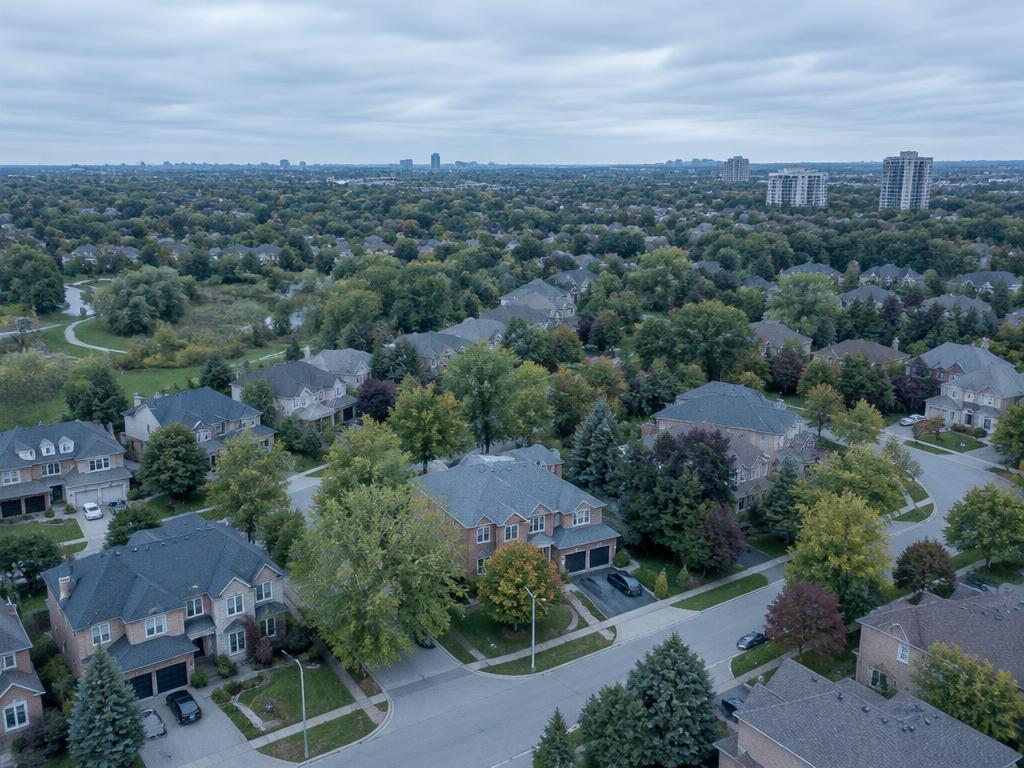
Basement moisture and foundation drainage problems in Richmond Hill homes can come from many directions: rainfall and snowmelt arriving faster than drainage can carry it away, groundwater pressing against foundation walls, cracks that open with seasonal soil movement, window wells without working drains, weeping tile that has silted up over decades, or a sump pump at the end of its life.
Because the cause differs from property to property, we look at the house itself — roof drainage, grading, hardscaping, wells, wall condition and existing drainage — before recommending anything. That applies whether the home is an older property near the village core or a newer build in one of Richmond Hill's growing neighbourhoods.
- Richmond Hill
- Oak Ridges
- Jefferson
- Mill Pond
- Bayview Hill
- Devonsleigh
- Rouge Woods
- Observatory
The kind of work we do
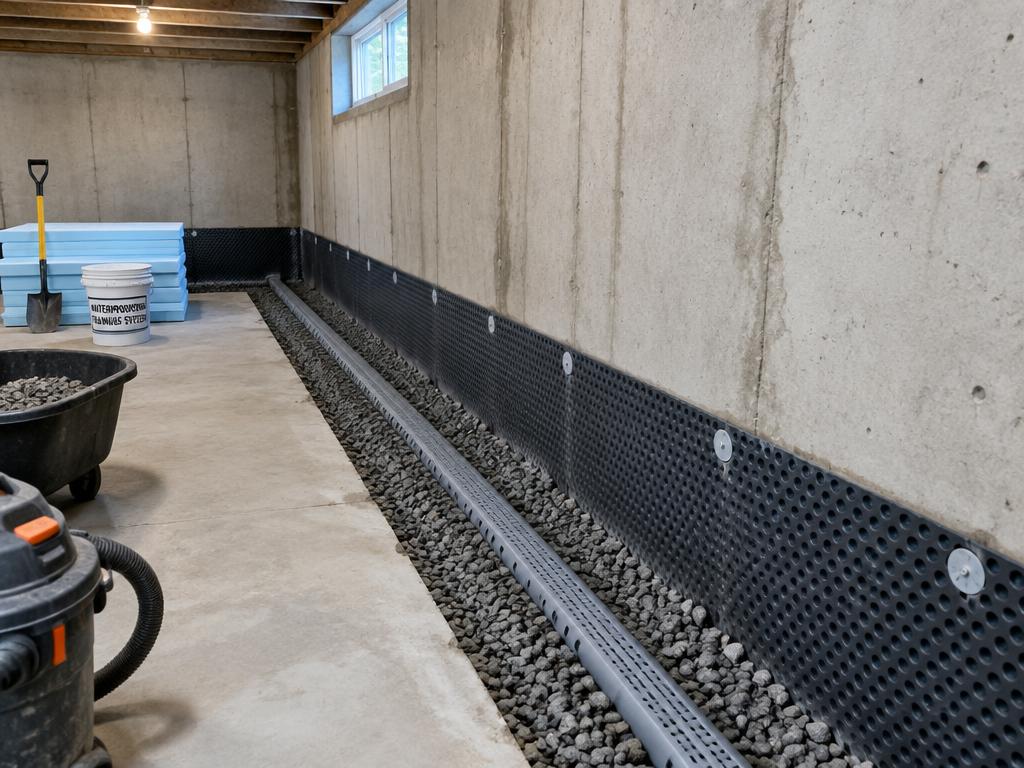
Interior waterproofing
Illustrative placeholder image, not a photo of a completed company project.
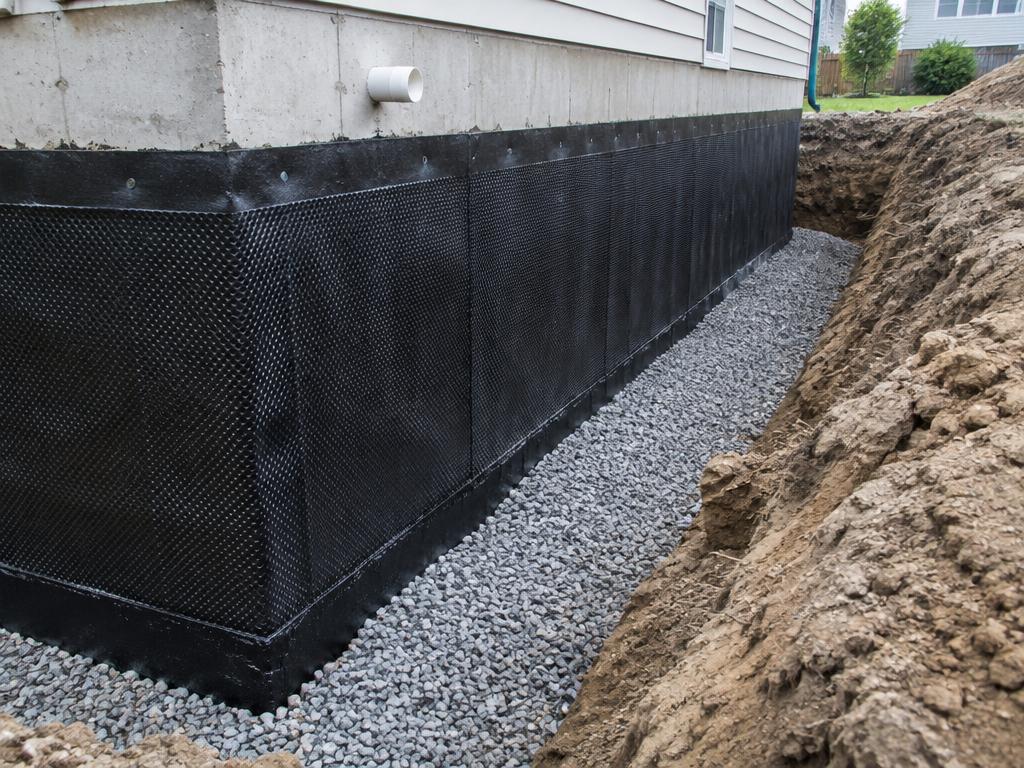
Exterior waterproofing
Illustrative placeholder image, not a photo of a completed company project.
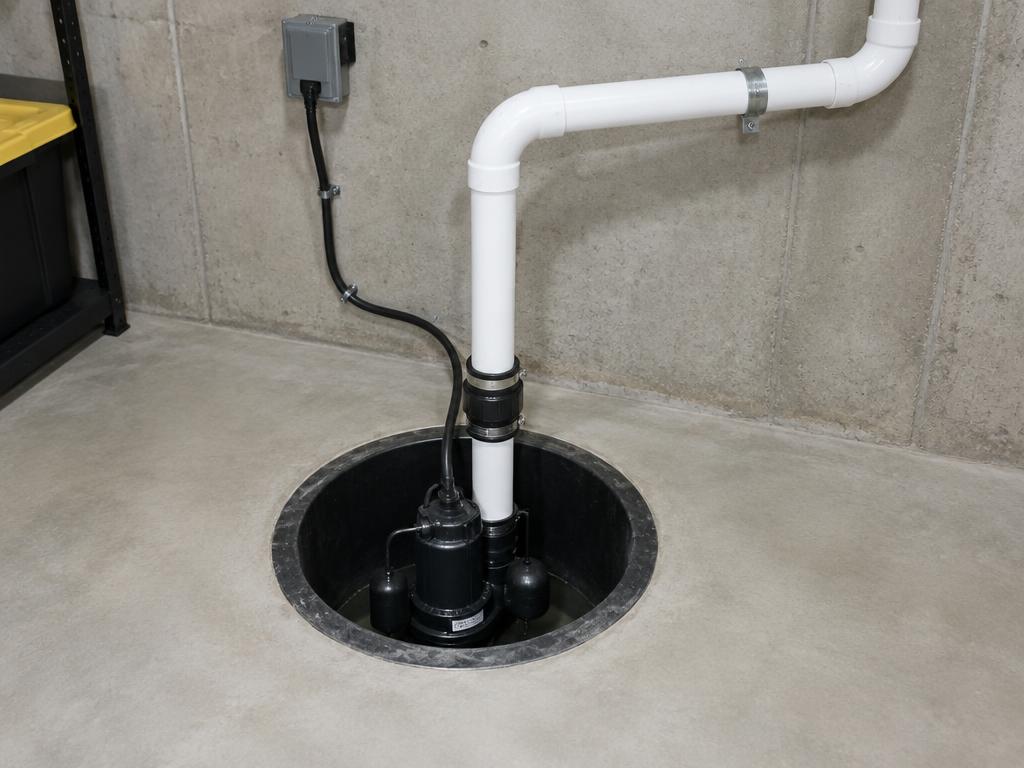
Sump pump installation
Illustrative placeholder image, not a photo of a completed company project.
Basement water questions, answered
What causes water to enter a basement?
Basement water usually arrives through a path of least resistance: a crack in a foundation wall or floor, a cold joint, a window well that collects water, a failed or clogged weeping tile, or hydrostatic pressure pushing groundwater against the foundation. Surface issues such as grading that slopes toward the house, downspouts discharging beside the foundation, or a blocked drain can add to the problem.
How do I know if my basement needs waterproofing?
Common indicators include damp or discoloured walls, efflorescence (a white mineral residue), peeling paint, water pooling on the floor after heavy rain, a musty smell, rust at the base of steel posts, or a sump pump that runs constantly. If moisture returns after cosmetic repairs, the water source itself has not been addressed.
What is the difference between interior and exterior waterproofing?
Interior waterproofing manages water that has already reached the foundation by collecting it in a drainage system and discharging it with a sump pump. Exterior waterproofing works from outside: the foundation is excavated, the wall is cleaned and prepared, and a waterproof membrane, drainage board and weeping tile are installed to keep water away from the wall. Neither approach is universally better — the right choice depends on your foundation and where the water is coming from.
Can foundation cracks cause basement leaks?
Yes. Even hairline cracks can transmit water when the soil outside is saturated. Vertical and diagonal cracks in poured concrete are among the most common leak paths, and cracks around pipe penetrations or at the joint between wall and floor are also frequent sources.
What is a weeping tile system?
Weeping tile is a perforated drainage pipe installed in gravel beside the foundation footing. It collects groundwater before it builds pressure against the wall and carries it to a discharge point or sump pit. Older weeping tile can become clogged with silt or roots, or crushed over time, which reduces or stops drainage.
Do I need a sump pump?
A sump pump is needed whenever a drainage system has no gravity outlet, or when groundwater regularly collects below the floor slab. Many interior waterproofing systems rely on one. If your basement already has a pit, it should have a working pump, a sealed lid and a properly routed discharge line.
What does a backwater valve do?
A backwater valve is installed on the building's sewer lateral and closes automatically if flow reverses, helping to prevent municipal sewer backup from entering the basement during heavy rainfall. It does not stop groundwater seepage — that requires waterproofing or drainage work.
How can I prevent basement flooding?
Prevention is usually a combination of measures: keeping gutters and downspouts clear and discharging well away from the foundation, maintaining grading that slopes away from the house, sealing active cracks, keeping window wells drained, ensuring weeping tile and drains are clear, and having a reliable sump pump with battery backup where appropriate.
Can leaking window wells cause basement water problems?
Yes. A window well without a working drain becomes a basin. Water collects, rises above the window frame and enters the basement. Correcting the well depth, adding gravel and a drain connection, and sealing the window frame usually resolves it.
Can you repair basement cracks?
Yes. Depending on the crack type, location and whether it is actively leaking, repairs may involve polyurethane or epoxy injection from the inside, or exterior excavation and membrane treatment where the crack is best addressed from outside.
Need help with a wet or leaking basement?
Tell us what you are seeing and we will follow up to arrange an assessment and explain the options for your Richmond Hill home.
Basement Waterproofing Richmond Hill
9350 Yonge St
Richmond Hill, ON L4C 5G2
Phone: (647) 360-6802
Email: info@basementwaterproofingrichmondhill.com
Hours: 7:00 AM – 11:00 PM